Skip to content
  • Home
  • Resources
    • Resource List
  • STEM Courses
    • STEM Educators
    • за STEM образователни работници
    • Professores STEM
    • Educatori STEM
    • εκπαιδευτές STEM
    • За STEM едукатори
    • All Courses
  • STEM Community Hubs
    • STEM in Cyprus
    • STEM in Lithuania
    • STEM in Greece
    • STEM in Italy
    • STEM in Portugal
    • STEM in North Macedonia
    • STEM in Bulgaria
  • Login
  • Register
  • Contacts
  • en_GBEnglish (UK)
    • elΕλληνικά
    • mk_MKМакедонски јазик
    • it_ITItaliano
    • pt_PTPortuguês
    • bg_BGБългарски
    • lt_LTLietuvių kalba
Menu
  • Home
  • Resources
    • Resource List
  • STEM Courses
    • STEM Educators
    • за STEM образователни работници
    • Professores STEM
    • Educatori STEM
    • εκπαιδευτές STEM
    • За STEM едукатори
    • All Courses
  • STEM Community Hubs
    • STEM in Cyprus
    • STEM in Lithuania
    • STEM in Greece
    • STEM in Italy
    • STEM in Portugal
    • STEM in North Macedonia
    • STEM in Bulgaria
  • Login
  • Register
  • Contacts
  • en_GBEnglish (UK)
    • elΕλληνικά
    • mk_MKМакедонски јазик
    • it_ITItaliano
    • pt_PTPortuguês
    • bg_BGБългарски
    • lt_LTLietuvių kalba

Retos

BUSCAR

Busca

AUTOR

TEMAS

PALABRAS CLAVE

IDIOMA

DURACIÓN

DIFICULTAD

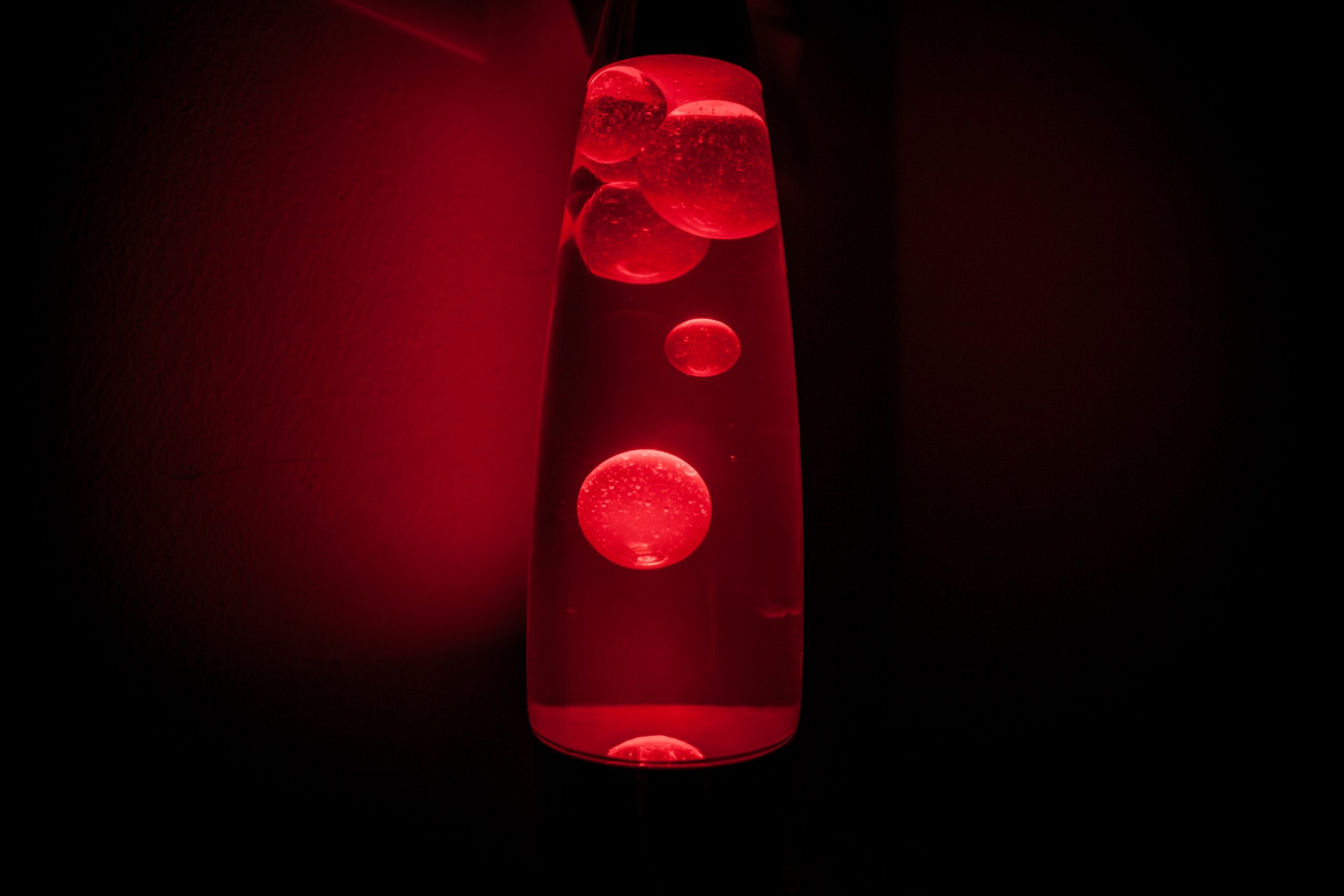
Crear una lámpara de lava para decorar el hogar

Al hablar del funcionamiento de las lámparas de lava, la clave se encuentra en la densidad y polaridad de las sustancias, más concretamente, en la cera que la lámpara tiene en el interior, que cambia de forma y se agita con el calor emitido por la bombilla, y que es la causa que provoca el efecto de la lava. Este efecto se debe al hecho de que la cera tiene una densidad más alta que el agua; sin embargo, la cera pierde la densidad con el calor, volviéndose más ligera. La agitación de la cera en el recipiente es lo que genera el efecto de lava.

Con esta actividad, los alumnos no solo aprenderán cómo elaborar una lámpara de lava, sino que también comprenderán la lógica científica que hay detrás del funcionamiento de dicha lámpara.

Esta actividad puede ser desarrollada individualmente o como actividad grupal, con el objetivo de exponer a los estudiantes la explicación científica sobre las lámparas de lava y demostrarles cómo hacer una.

Asociación Moviéndote

AUTHOR

  • December 22, 2020

PUBLISH DATE

View Resource

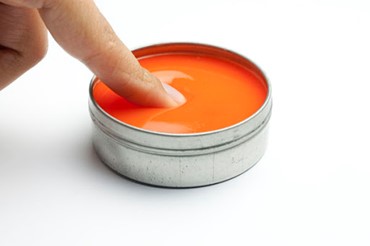
How to make a non-Newtonian fluid

The key point that differentiates non-Newtonian fluids from Newtonian fluids is its viscosity; actually, Newtonian fluids have a constant viscosity, it does not change or is altered by external aspects. However, the viscosity of non-Newtonian fluids is not defined; this may vary depending on the temperature or pressure applied to the fluid (and that is why they receive the name of Non-Newtonian fluids, because they do not meet Newton’s law about viscosity). Therefore, non-Newtonian fluids can act as liquids or solids, depending on if pressure is not applied or if it is applied over the fluid.

With this activity learners will learn how to create a non-Newtonian fluid at home, and they will be able to experience how the fluid behaves when applying pressure over it. It can be developed individually by learners or as a group activity, and its objective is to explain and demonstrate the learners how non-Newtonian fluids behave.

Asociación Moviéndote

AUTHOR

  • December 22, 2020

PUBLISH DATE

View Resource

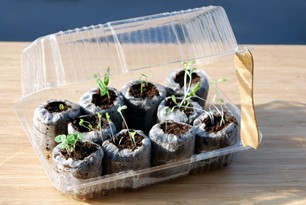
Creating a homemade greenhouse with recycled materials

A greenhouse is a structure that produces a microclimate ideal for plant growth. It can be used to grow plants or to care them throughout their life. Greenhouses protect crops from too much heat or cold and shield their inhabitants from storms and harsh weather. In other words, it helps to control temperature, humidity and luminosity, three very important factors in the development of plants. They also help keep out damaging pests.

Undoubtedly, in-home greenhouses are the best way of ensuring the quality of fruits and vegetables. In addition, when creating a greenhouse from recycled or reused materials environmental impact is reduced.

With this activity learners will not only learn how to make a small homemade greenhouse and how to provide plants with the perfect atmosphere for their growth but they will also become aware of the importance of reusing objects, of reducing plastic consumption and of responsible consumption. This activity can be developed individually by learners or as a group activity, and its objective is to teach learners how to create a small in-home greenhouse, and to raise awareness on self-consumption and reduction of the environmental impact.

Asociación Moviéndote

AUTHOR

  • December 22, 2020

PUBLISH DATE

View Resource

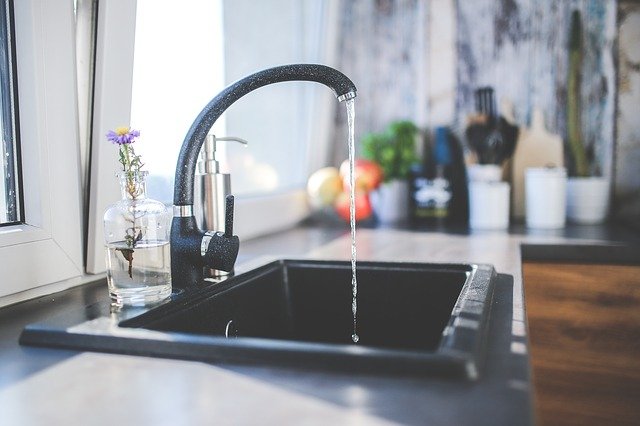
Building a homemade tester for measuring water quality

Many people are not satisfied with the taste and quality of the water they can access from their taps at home. Indeed, although health authorities ensure that tap water is fully suitable for human consumption (at least in most European countries) it is convenient to know how to check the purity of water at home.

Water from the tap contains mineral salts and other nutrients that usually are the ones that confer it a particular taste and smell. Water quality is measured according to several parameters, and national and international laws, which include chemical, physical, and biological properties. Parameters that are frequently sampled or monitored for water quality include temperature, dissolved oxygen, pH, conductivity, ORP, and turbidity.

With this activity learners will not only learn how to make a water quality tester but also about the components of water we access every day. This activity can be developed individually by learners or as a group activity, and it’s objective is to help the learners to develop an instrument which will be useful for measuring water quality, while they learn about its components.

Asociación Moviéndote

AUTHOR

  • December 22, 2020

PUBLISH DATE

View Resource

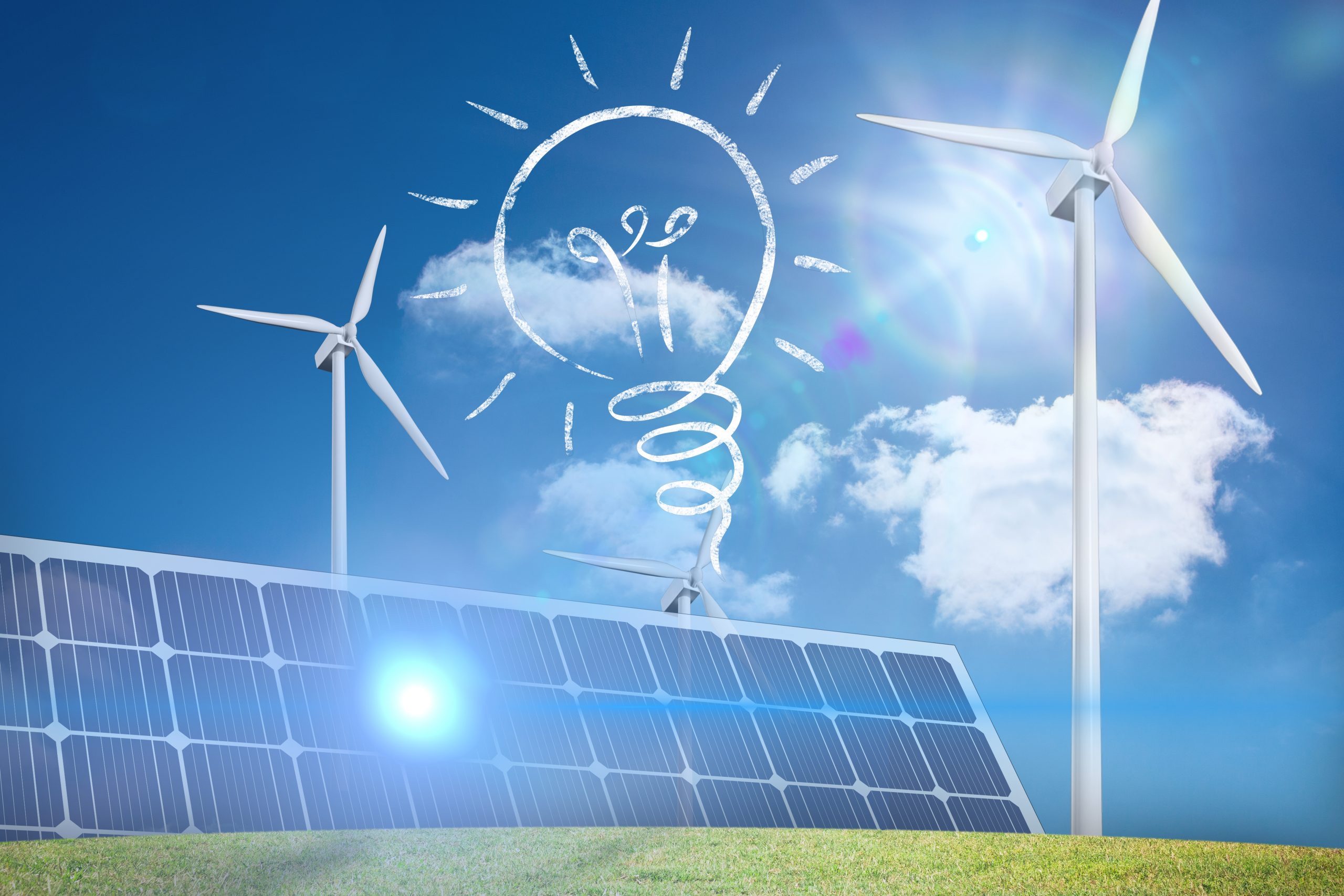
Construction of a Solar Powered Fan

The renewable energies are a growing sector. Learners shall be aware of its importance and the environment protection and removable energies. In this sense, this practical experience will allow them to understand different processes that allow the construction of ecological products based on clean energies. At the same time, learners will be able to develop basis skills such as simple calculations, association of concepts, green and ecological skills.

This activity can be developed individually by learners or as a pair activity (2 learners) that shall be focused on the positive use of renewable energies. Trainer shall maintain a close screw of the work performed by the learners.

Asociación Moviéndote

AUTHOR

  • December 22, 2020

PUBLISH DATE

View Resource

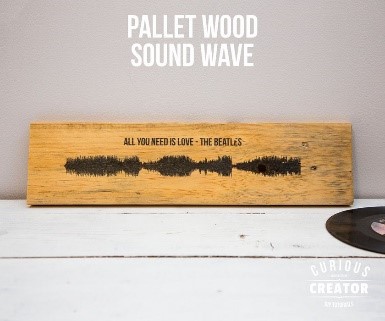
Μετατρέποντας τον ήχο σε τέχνη

Η τέχνη με ηχητικά κύματα είναι μια καλλιτεχνική αναπαράσταση του ήχου. Η τέχνη με ηχητικά κύματα μετατρέπει τους ήχους – όπως μουσική, τραγούδι, φωνές και άλλο ήχο – σε ένα καλλιτεχνικό κομμάτι που μπορεί να τοποθετηθεί σε οποιονδήποτε τοίχο στο σπίτι σας. Η τέχνη με ηχητικά κύματα μπορεί να δημιουργηθεί με μια ποικιλία χρωμάτων και στυλ, που κυμαίνονται από μια κομψή μονοχρωματική εμφάνιση έως έντονες, διασκεδαστικές αποχρώσεις και χρώματα. Αυτή η δραστηριότητα μπορεί να αναπτυχθεί μεμονωμένα από μαθητές ή ως δραστηριότητα ζευγαριού (2 μαθητές). Ο δάσκαλος πρέπει να παρακολουθεί την εργασία που εκτελείται από τους μαθητές.


Τέχνη από ηχητικό κύμα

Πηγή https://www.instructables.com/Pallet-Wood-Song-Sound-Wave/


Christina Taka

AUTHOR

  • December 22, 2020

PUBLISH DATE

View Resource
« Prev Page1 … Page72 Page73 Page74 Page75 Page76 Page77 Next »

The European Commission support for the production of this publication does not constitute an endorsement of the contents which reflects the views only of the authors, and the Commission cannot be held responsi­ble for any use which may be made of the information contained therein.

Copyright © 2022 SAPPHIRE • All rights reserved

SAPPHIRE Website
en_GBEnglish (UK)
bg_BGБългарски pt_PTPortuguês it_ITItaliano lt_LTLietuvių kalba mk_MKМакедонски јазик elΕλληνικά en_GBEnglish (UK)