Skip to content
  • Home
  • Resources
    • Resource List
  • STEM Courses
    • STEM Educators
    • за STEM образователни работници
    • Professores STEM
    • Educatori STEM
    • εκπαιδευτές STEM
    • За STEM едукатори
    • All Courses
  • STEM Community Hubs
    • STEM in Cyprus
    • STEM in Lithuania
    • STEM in Greece
    • STEM in Italy
    • STEM in Portugal
    • STEM in North Macedonia
    • STEM in Bulgaria
  • Login
  • Register
  • Contacts
  • en_GBEnglish (UK)
    • elΕλληνικά
    • mk_MKМакедонски јазик
    • it_ITItaliano
    • pt_PTPortuguês
    • bg_BGБългарски
    • lt_LTLietuvių kalba
Menu
  • Home
  • Resources
    • Resource List
  • STEM Courses
    • STEM Educators
    • за STEM образователни работници
    • Professores STEM
    • Educatori STEM
    • εκπαιδευτές STEM
    • За STEM едукатори
    • All Courses
  • STEM Community Hubs
    • STEM in Cyprus
    • STEM in Lithuania
    • STEM in Greece
    • STEM in Italy
    • STEM in Portugal
    • STEM in North Macedonia
    • STEM in Bulgaria
  • Login
  • Register
  • Contacts
  • en_GBEnglish (UK)
    • elΕλληνικά
    • mk_MKМакедонски јазик
    • it_ITItaliano
    • pt_PTPortuguês
    • bg_BGБългарски
    • lt_LTLietuvių kalba

Resources

SEARCH

Search

AUTHOR

TOPICS

KEYWORDS

LANGUAGE

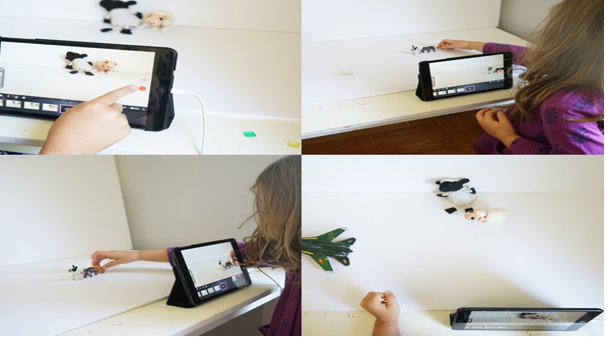
Easy Stop Motion Animation

In order to introduce how to stop motion animation, it will be shown you how to do this with an iPad or similar device, and you’ll be making your first movie in minutes. For the uninitiated, stop motion animation is a film making technique that makes inanimate objects appear to move on their own. To make it work, you place an object in front of a camera and snap a photo. You then move the object a tiny bit and snap another photo. Repeat this process twenty to ten thousand times, play back the sequence in rapid progression, and the object appears to move fluidly across the screen.

Learn more about stop motion;

https://www.shortoftheweek.com/channels/stop-motion/

https://tinkerlab.com/easy-stop-motion-animation-kids/

Fatma EROĞLAN

AUTHOR

  • December 28, 2020

PUBLISH DATE

View Resource

Homemade lip balm

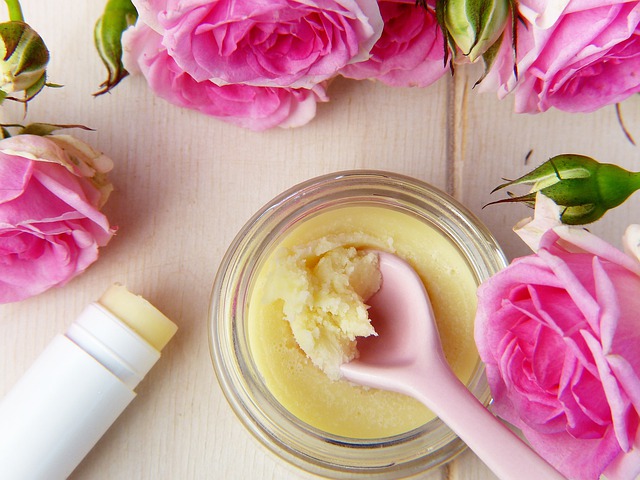
Through this activity students will create a lip balm using natural materials. They will learn and approach, in this way, about different materials and their properties, and how to use them to create products we use daily, thus combining science and everyday life. Students will be using cocoa butter, which gives consistency and protects from the cold; wax, which regenerates and protects the skin, and oil, which works as lubricant.

This activity is to be developed individually, but it can also be developed in groups. It is focused on understanding the proprieties some natural materials have, and the way these properties can be useful for our daily life.

In this case, natural materials will be used in order to create a homemade lip balm, which will also provide students with a real alternative to using chemical made cosmetics.

Asociación Moviéndote

AUTHOR

  • December 22, 2020

PUBLISH DATE

View Resource

Making solar charger at home

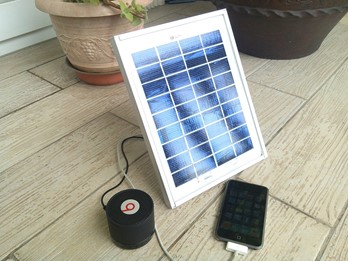
The idea of energy conservation has reached every corner of the globe. The irreversible damage we have caused to the earth has resulted in our growing concern to replace the consumption of non-renewable energy with sources of power that are much more environmentally-friendly.

One of the most popular recourse is solar energy, which can be transformed into hot water or electricity. For this activity, the focus will be placed on solar chargers, which are a device that work with a solar panel that charges the batteries of the circuit.

With this activity learners will not only learn about making a solar charger but they will also raise awareness on the topic of environment protection.

This activity can be developed individually by learners or as a group activity, and its objective is to raise awareness about renewable energies and teach the learner how to make a solar charger.

Asociación Moviéndote

AUTHOR

  • December 22, 2020

PUBLISH DATE

View Resource

Crystallized colourful earrings

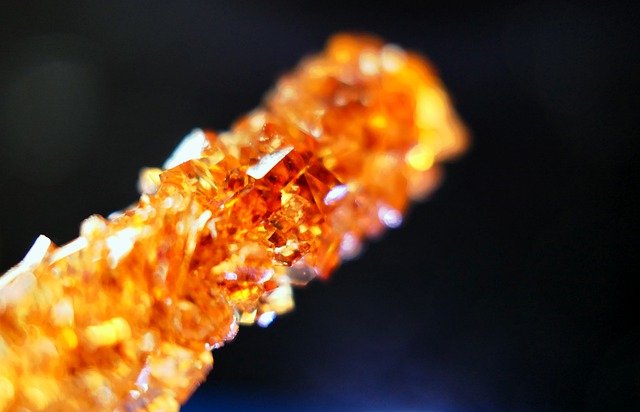
Crystallization refers to the chemical process in which atoms or molecules are solidified into a highly structure form called crystal. Even it may seem unfamiliar to you, crystallization process is used widely, not in only in labs, but also for creating daily usable things.

Through this practical example learners will be able to learn about science and art, by creating their own earrings through crystallization.

This activity can be developed both, in groups or individually. It is focused on understanding science and chemical reactions while working with art, by creating crystallized colourful earrings.

Asociación Moviéndote

AUTHOR

  • December 22, 2020

PUBLISH DATE

View Resource

Durable and colourful flowers

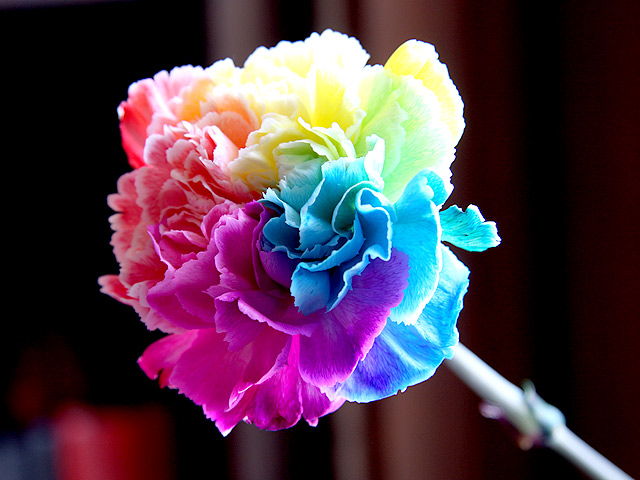
Decoration, art and science are too close to each other! Through this practical example learners will be able to learn about science and art, by designing and creating colourful tie dye flowers for decorating home.

This activity can be developed both, in groups or individually.  It is focused on understanding science while working with art, by creating colourful tie-dye flowers for decoration.

Asociación Moviéndote

AUTHOR

  • December 22, 2020

PUBLISH DATE

View Resource

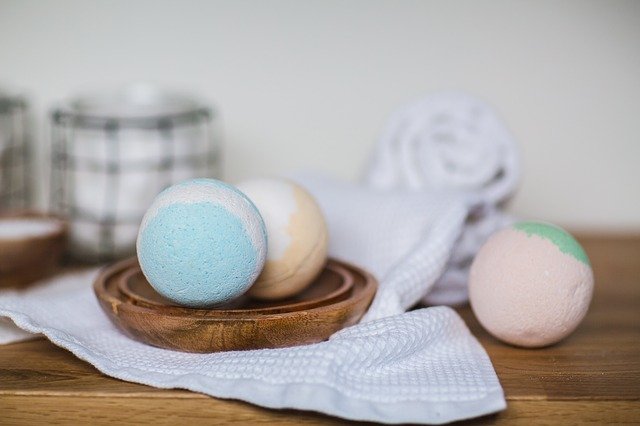
Creating homemade aromatic bath bombs for bath

A bath bomb is the result of the mixture of different ingredients and of the shaping of that mixture into different geometrical forms, which becomes fizzy when it touches the water. Bath bombs are currently on trend because they offer a relaxing experience at home full of nice fragrances and bath salts. But what many people do not realize is that the fizz is the result of a chemical reaction taking place between different ingredients within the bath bomb.

With this activity learners will not only learn the process of making their own homemade bath bombs but also they will explore which combination of ingredients creates the fizz and how if the amounts are changed that could affects the fizziness of the bath bombs when throwing them into the water.

This activity can be developed individually by learners or as a group activity, and it’s objective is to demonstrate the learners how a simple wellness experience is created through a scientific phenomenon.

Asociación Moviéndote

AUTHOR

  • December 22, 2020

PUBLISH DATE

View Resource
« Prev Page1 … Page71 Page72 Page73 Page74 Page75 … Page77 Next »

The European Commission support for the production of this publication does not constitute an endorsement of the contents which reflects the views only of the authors, and the Commission cannot be held responsi­ble for any use which may be made of the information contained therein.

Copyright © 2022 SAPPHIRE • All rights reserved

SAPPHIRE Website
en_GBEnglish (UK)
bg_BGБългарски pt_PTPortuguês it_ITItaliano lt_LTLietuvių kalba mk_MKМакедонски јазик elΕλληνικά en_GBEnglish (UK)