Skip to content
  • Home
  • Resources
    • Resource List
  • STEM Courses
    • STEM Educators
    • за STEM образователни работници
    • Professores STEM
    • Educatori STEM
    • εκπαιδευτές STEM
    • За STEM едукатори
    • All Courses
  • STEM Community Hubs
    • STEM in Cyprus
    • STEM in Lithuania
    • STEM in Greece
    • STEM in Italy
    • STEM in Portugal
    • STEM in North Macedonia
    • STEM in Bulgaria
  • Login
  • Register
  • Contacts
  • en_GBEnglish (UK)
    • elΕλληνικά
    • mk_MKМакедонски јазик
    • it_ITItaliano
    • pt_PTPortuguês
    • bg_BGБългарски
    • lt_LTLietuvių kalba
Menu
  • Home
  • Resources
    • Resource List
  • STEM Courses
    • STEM Educators
    • за STEM образователни работници
    • Professores STEM
    • Educatori STEM
    • εκπαιδευτές STEM
    • За STEM едукатори
    • All Courses
  • STEM Community Hubs
    • STEM in Cyprus
    • STEM in Lithuania
    • STEM in Greece
    • STEM in Italy
    • STEM in Portugal
    • STEM in North Macedonia
    • STEM in Bulgaria
  • Login
  • Register
  • Contacts
  • en_GBEnglish (UK)
    • elΕλληνικά
    • mk_MKМакедонски јазик
    • it_ITItaliano
    • pt_PTPortuguês
    • bg_BGБългарски
    • lt_LTLietuvių kalba

Desafios

PESQUISAR

Pesquisar

AUTOR

TÓPICOS

PALAVRAS-CHAVE

LÍNGUA

DURAÇÃO

DIFICULDADE

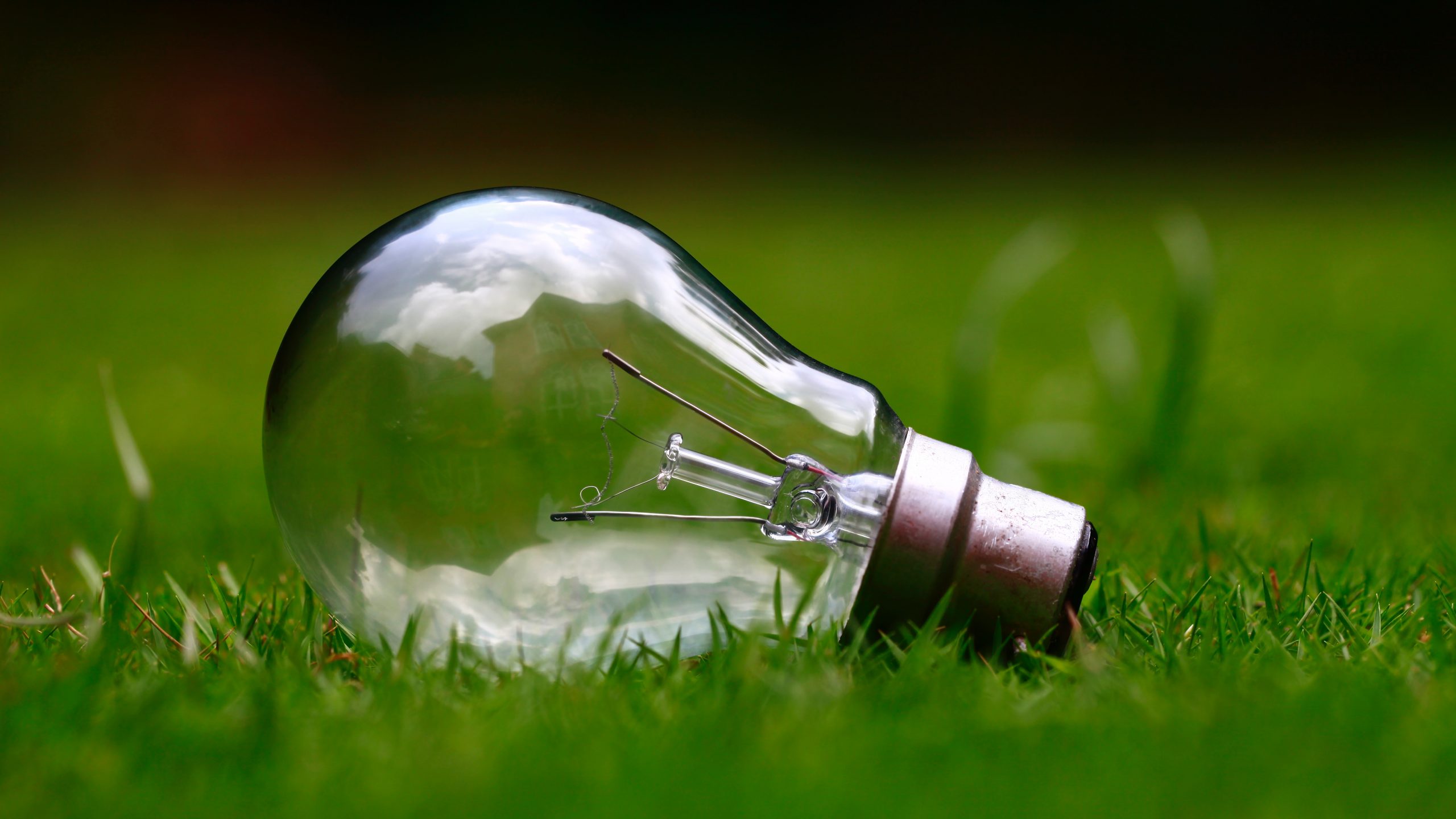
Free energy light bulbs for emergency situations

It is common to feel that science and technology are really far from us. However, it is not true. Science and technology are present in all aspects of our lives and getting knowledge about them would simplify our lives more than what we think.

Through this practical challenge learners will learn about science and technology, and they will use this knowledge in order to provide a practical solution to a problem we all have experienced ever. They will learn what electric conductors are, they will understand the logic behind them and they will identify some materials which act as electric conductors. Moreover, they will understand the functionality and usability this kind of materials have.

This activity should be developed individually or with the support of a trainer. It is focused on demonstrating the importance of having knowledge about science and technology for our daily life, by helping students understand how to create a free energy light bulb for lighting home in a simple way.

Asociación Moviéndote

AUTHOR

  • December 22, 2020

PUBLISH DATE

View Resource

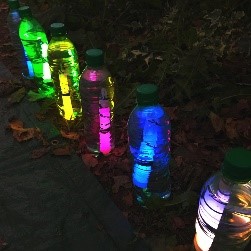
Make glowstick lanterns

Everybody loves glow stick lanterns. They’re quick to make, gorgeous bright colors and make a great little decoration for when you’re camping or out in the garden on summer evenings. The kids like to make these in the summer so they can decorate the garden and play tents. They’re just fun and look great once it’s going dark. This activity can be developed individually by learners or as a pair activity (2 learners). Teacher shall maintain a close screw of the work performed by the learners. Definitely requires adult supervision – but with caution this is a fascinating science project or which can simply just be done for fun! Ideal for camping trips or late summer nights in the yard!


Glowstick lanterns

Source https://daisiesandpie.co.uk/glow-stick-lanterns/


Christina Taka

AUTHOR

  • December 9, 2020

PUBLISH DATE

View Resource

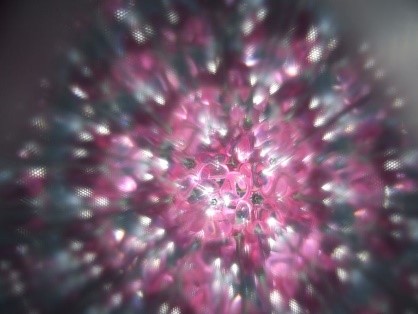
Construction of a Kaleidoscope

The first part that is essential to the kaleidoscope is a reflective material. Most kaleidoscopes use mirrors. Long, thin mirrors are set so that they are facing one another. Different numbers of mirrors can be used, depending on the end pattern desired, but commonly, three mirrors are used to generate a pattern based on repeating triangles. They are usually set in cardboard, but kaleidoscopes can be made out of any round, hollow material. Homemade kaleidoscopes can be made using a paper towel roll with aluminium foil for a reflective surface. Older kaleidoscopes were crafted with tin. Some versions use three pieces of blown glass that are set in a triangle. This activity can be developed individually by learners or as a pair activity (2 learners). Teacher shall maintain a close screw of the work performed by the learners.


A kaleidoscope

Source https://www.instructables.com/id/How-to-make-a-kaleidoscope-1/

Christina Taka

AUTHOR

  • December 9, 2020

PUBLISH DATE

View Resource

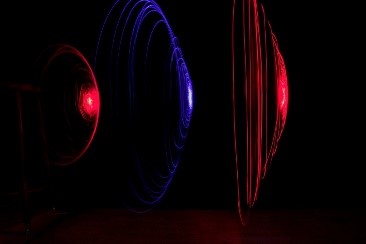
Learn about motion with Light Painting

Photography has always been a great way to capture a single instance, to freeze a moment in time. In 1878, Eadweard Muybridge famously played with that notion by taking a series of high-speed photographs to see if all four of a horse’s feet come off the ground when it gallops. This developed in to strobe photography, which suddenly created something not only beautiful but also the ability to capture more than a moment in a single photograph. We could now look at time and motion compressed. This activity can be developed individually by learners or as a pair activity (2 learners). Teacher shall maintain a close screw of the work performed by the learners.


Light painting

Source https://www.instructables.com/id/Learning-about-Motion-with-Lightpainting/

Christina Taka

AUTHOR

  • December 9, 2020

PUBLISH DATE

View Resource

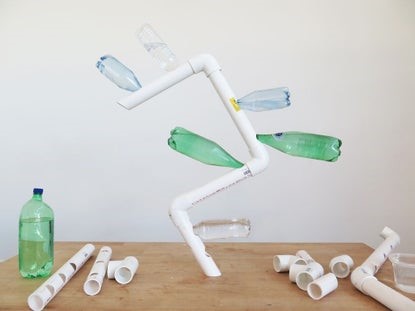
Construction of a Balancing Bottle Tree

With this activity, students can learn all about balance, levers, center of mass, and recycling. If you want to learn more about torque and balance, Mythbusters has a great quick writeup on the physics of seesaws, which harkens all the way back 1800 years ago to Archimedes’ Law of the Lever. As you start to construct these trees, you’ll get to live these principles in real time. This activity can be developed individually by learners or as a pair activity (2 learners). Teacher shall maintain a close screw of the work performed by the learners.


A balancing bottle tree

Source https://www.instructables.com/id/Balancing-Bottle-Trees/

Christina Taka

AUTHOR

  • December 9, 2020

PUBLISH DATE

View Resource

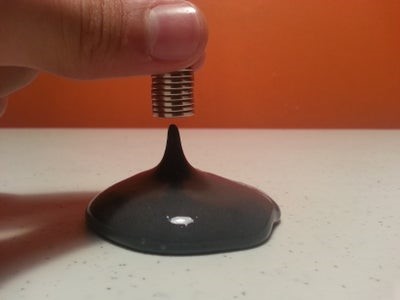
How to make a magnetic slime

Slime and magnets: what could be better? This slime recipe contains iron oxide, which allows the slime to react with strong magnets. Polymers are really big molecules, made up of lots and lots of smaller molecules joined together. They can make materials bouncy like a rubber ball, stiff like a plastic toy, or stretchy like a piece of gum. One great way to play around with polymers — and to do some hands-on experimentation with chemistry in general — is to make your own slime. This activity can be developed individually by learners or as a pair activity (2 learners). Teacher shall maintain a close screw of the work performed by the learners. It’s a fun science experiment for both kids and adults!


A magnetic slime

Source https://www.instructables.com/Magnetic-Slime/

Christina Taka

AUTHOR

  • December 9, 2020

PUBLISH DATE

View Resource
« Prev Page1 … Page73 Page74 Page75 Page76 Page77 Next »

The European Commission support for the production of this publication does not constitute an endorsement of the contents which reflects the views only of the authors, and the Commission cannot be held responsi­ble for any use which may be made of the information contained therein.

Copyright © 2022 SAPPHIRE • All rights reserved

SAPPHIRE Website
en_GBEnglish (UK)
bg_BGБългарски pt_PTPortuguês it_ITItaliano lt_LTLietuvių kalba mk_MKМакедонски јазик elΕλληνικά en_GBEnglish (UK)