Salta al contenuto
  • Casa
  • Risorse
    • Elenco delle risorse
  • Corsi STEM
    • Educatori STEM
    • за STEM образователни работници
    • Professori STEM
    • Educatori STEM
    • εκπαιδευτές STEM
    • За STEM едукатори
    • Tutti i corsi
  • Hub della comunità STEM
    • STEM a Cipro
    • STEM in Lituania
    • STEM in Grecia
    • STEM in Italia
    • STEM in Portogallo
    • STEM in Macedonia del Nord
    • STEM in Bulgaria
  • Login
  • Registrati
  • Contatti
  • it_ITItaliano
    • elΕλληνικά
    • mk_MKМакедонски јазик
    • pt_PTPortuguês
    • bg_BGБългарски
    • en_GBEnglish (UK)
    • lt_LTLietuvių kalba
Menù
  • Casa
  • Risorse
    • Elenco delle risorse
  • Corsi STEM
    • Educatori STEM
    • за STEM образователни работници
    • Professori STEM
    • Educatori STEM
    • εκπαιδευτές STEM
    • За STEM едукатори
    • Tutti i corsi
  • Hub della comunità STEM
    • STEM a Cipro
    • STEM in Lituania
    • STEM in Grecia
    • STEM in Italia
    • STEM in Portogallo
    • STEM in Macedonia del Nord
    • STEM in Bulgaria
  • Login
  • Registrati
  • Contatti
  • it_ITItaliano
    • elΕλληνικά
    • mk_MKМакедонски јазик
    • pt_PTPortuguês
    • bg_BGБългарски
    • en_GBEnglish (UK)
    • lt_LTLietuvių kalba

Sfida di prova

RICERCA

Ricerca

AUTORE

TEMI

PAROLE CHIAVE

LINGUAGGIO

DURATA

DIFFICOLTÀ

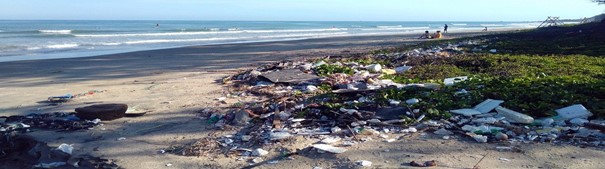
The Prevent Plastic Poster

Where does the plastic come from in the sea? A large part of the plastic that ends up in the sea is disposable packaging and plastic bags. In the sea, the plastic debris is slowly decomposed into smaller parts and eventually becomes so-called micro plastics, which are not broken down in several hundred years and which are almost impossible to capture. Lost fishing gear, synthetic fabrics, such as fleece blankets and polyester and acrylic clothing, release micro plastics when washed. Although the wastewater treatment plants handle most micro plastics, millions of micro plastics particles still end up in the sea. In addition, some hygiene products contain added micro plastics. Among other things, there may be plastic in exfoliating, toothpaste and makeup.Learners shall be aware of the importance of environment protection and instead of being powerless being able to find good ways to contribute in reducing plastic. What can I do?


This activity is a group work to collect knowledge about plastic in the sea and what an individual can do to prevent it. The advices should then be illustrated on a “poster or a any other communication model” with images or materials and with text that can be distributed within the local community ex the library or any other suitable centre. In this activity, there is no ready-made solution – only the imagination sets the boundaries.

This activity is divided in 2 days. Day 1. Plan and design

Day 2, The actual production. It would be good if it could be located in an art studio or similar, where there is access to glue, paints, cardboard, computer and printers etc.

WiTECSvezia

AUTORE

  • Gennaio 28, 2021

DATA DI PUBBLICAZIONE

Visualizza risorsa

The art of cleaning your home without toxins

What is a detergent? All detergents contain, in addition to water and a mixture of a variety of chemicals. It can be surfactants, corrosive acids / alkalis, solvents, preservatives, abrasives, paint and perfume. Detergent residues are hazardous waste. Acids are corrosive (low pH). Phosphoric acids and nitric acid are examples of acids that can be included in detergents and can be found in toilet cleaners and lime removers. Acids irritate the skin and eyes and can cause burns. Alkalis are also corrosive (high pH). Potassium and sodium hydroxide are examples of alkalis that can be contained in detergents and are present in oven cleaners and stoppers. Another example is sodium hypochlorite, which is found in chlorine. Alkalis, like acids, are corrosive and thus irritate the skin and eyes and can also cause burns.

Miva (Ambiente e acqua a Örnsköldsvik AB) SE.

In Sweden, with about 10 million inhabitants, we bought detergents for € 4.5 million in 2016. It causes a great strain on our environment. We now have domestic eco-labels in addition to EU labeling that facilitate our choices.


This activity is designed to increase consumer awareness of chemicals we are exposed to in the home through our detergents and how to make our own from our pantry. The teacher’s task is to teach about eco-label of products that are available in the country in which you are located and which forums exist to influence for more environmental friendly products, to explain ingredients in chemical detergents and how they affect the Nature

This activity can be developed individually by learners who shall be focused on the positive use of nontoxic detergents in their own home. This activity can also be tried at home of course.

WiTECSvezia

AUTORE

  • Gennaio 28, 2021

DATA DI PUBBLICAZIONE

Visualizza risorsa

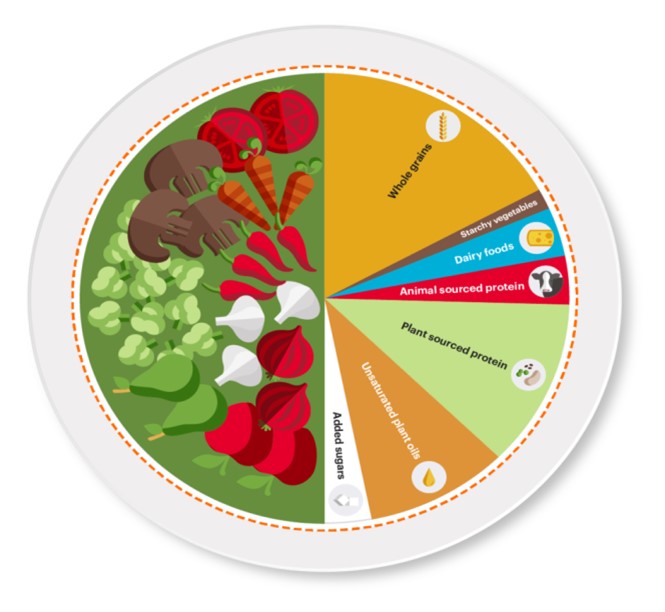
PLANetary Health Diet Day

The Planetary Health Diet and You: The EAT-Lancet Commission presents a global planetary health diet that is healthy for both people and planet. Discover the report’s key takeaways and specific actions that we all can take to contribute to the Great Food Transformation.

Fonte: https://eatforum.org/eat-lancet-commission/the-planetary-health-diet-and-you/

Leaner’s start off by discussing and criticizing EAT Lancet´s new model of 2020 and guidelines and of changing our habits for the Planet.

They will calculate their own nutrient needs, make a plan for a Healthy Planetary Diet Day and decide if they want to try it out.

This activity can be developed individually by learners or as a pair activity (2 learners) that shall be focused on the positive of a healthy diet for people and planet.

WiTECSvezia

AUTORE

  • Gennaio 28, 2021

DATA DI PUBBLICAZIONE

Visualizza risorsa

Tecniche per uno stile di vita sostenibile. Calcola la tua impronta di CO2

I ricercatori raccomandano che le emissioni annuali di anidride carbonica equivalenti di un individuo debbano essere di 1 tonnellata entro il 2050 se si vuole raggiungere l'obiettivo di limitare l'aumento della temperatura media globale a meno di 2 gradi. Gli equivalenti di anidride carbonica sono una misura delle emissioni di gas serra che tengono conto del fatto che diversi gas di questo tipo hanno capacità diverse di contribuire al riscaldamento globale. Nel 2017, la cifra era di 6,7 tonnellate pro capite all'interno dell'UE, 13,5 tonnellate per il Canada, 16,3 tonnellate per l'Australia e 16,4 tonnellate per gli Stati Uniti.

Tutti dobbiamo contribuire. Greta Thunberg ci parla:

https://www.conservation.org/video/nature-now-video-with-greta-thunberg

Questo esercizio può iniziare come esercizio di gruppo e una sorta di brainstorming e può quindi essere eseguito individualmente. È un esercizio consapevole sulle cose che invitiamo nelle nostre case e sulle scelte consapevoli che possiamo fare per avere uno stile di vita sostenibile. L'esercizio dovrebbe essere visto come una sorta di brain storming e le idee possono essere raccolte. Diverse idee saranno presentate nell'esercizio e per i partecipanti da mettere in pratica nella propria vita per un mese. Sono rilevanti per loro o no?

WiTECSvezia

AUTORE

  • Gennaio 28, 2021

DATA DI PUBBLICAZIONE

Visualizza risorsa

Creare tecniche per: NON SPRECARE

David Attenborough è stato intervistato insieme all'attivista climatica Greta Thunberg dopo l'uscita dei loro film: “A life on our planet” (Netflix) e “Greta”. Alla fine è stato chiesto loro cosa possiamo fare NOI, ma solo per scegliere UNA cosa: David ha risposto: “Non sprecare” e Greta: “Informati di più leggi i problemi e capirai cosa fare, ma fai pressione sui politici”. https://www.youtube.com/watch?v=fRFY4ss2W2A 

Questo esercizio offre agli studenti l’opportunità di riflettere sui propri rifiuti. Come mi comporto e cosa posso cambiare? Si tratta di una maggiore consapevolezza di ciò che possiamo fare da soli e può servire anche ad approfondire la conoscenza in materia di Rifiuti. Le abitudini sono spesso difficili da cambiare, ma è attraverso le nostre scelte consapevoli che creiamo un mondo sostenibile:

UE: Obiettivo 12. Consumo e produzione responsabili

Il 12° Obiettivo di Sviluppo Sostenibile (SDG12) mira a garantire modelli di consumo e produzione responsabili in tutto il mondo, in particolare:

Dimezzare lo spreco alimentare globale pro capite e garantire l’uso efficiente e sostenibile delle risorse naturali entro il 2030

Combattere l’inquinamento, ridurre la produzione complessiva di rifiuti e migliorare la gestione delle sostanze chimiche e dei rifiuti tossici

Supportare la transizione delle aziende verso infrastrutture e pratiche green

Assicurarsi che tutti, ovunque, siano pienamente informati sui modi per vivere in armonia con la natura e, infine, adottino abitudini ponderate

Fonte: https://ec.europa.eu/international-partnerships/sdg/responsible-consumption-and-production_en

WiTECSvezia

AUTORE

  • Gennaio 28, 2021

DATA DI PUBBLICAZIONE

Visualizza risorsa

CrEATe raw delicious Art directly from the Natural world

Hai sentito la parola Fika? In Svezia siamo conosciuti per “FIKA”. È quando ci prendiamo una pausa dal lavoro al mattino e al pomeriggio o andiamo con gli amici in un bar e mangiamo qualche prelibatezza. È facile che sia uno spuntino pieno dei cosiddetti senza calorie come nelle torte e nei pasticcini. Pertanto, in questa attività di “FIKA” ci concentreremo su densità di nutrienti e da imparare additivi nel cibo. Prepariamo solo con un frullatore ad alta velocità o un robot da cucina e un frigorifero/congelatore.

Lo spuntino migliore è ovviamente la frutta.

Questa attività può essere sviluppata individualmente dagli studenti o come attività di coppia (2 studenti) che dovrà essere focalizzata sugli aspetti positivi di una dieta sana per le persone e per il pianeta.

Nota per la preparazione che gli anacardi per la torta ai frutti di bosco devono rimanere in ammollo durante la notte,

Nota. Le torte devono rassodarsi in frigorifero prima di essere consumate.


WiTECSvezia

AUTORE

  • Gennaio 28, 2021

DATA DI PUBBLICAZIONE

Visualizza risorsa
«Prec Pagina1 … Pagina36 Pagina37 Pagina38 Pagina39 Pagina40 … Pagina77 Prossimo "

Il supporto della Commissione Europea per la produzione di questa pubblicazione non costituisce un avallo del contenuto che riflette solo il punto di vista degli autori, e la Commissione non può essere ritenuta responsabile per qualsiasi uso che può essere fatto delle informazioni ivi contenute.

Copyright © 2022 ZAFFIRO • Tutti i diritti riservati

Sito web ZAFFIRO
it_ITItaliano
en_GBEnglish (UK) bg_BGБългарски pt_PTPortuguês lt_LTLietuvių kalba mk_MKМакедонски јазик elΕλληνικά it_ITItaliano