Skip to content
  • Home
  • Resources
    • Resource List
  • STEM Courses
    • STEM Educators
    • за STEM образователни работници
    • Professores STEM
    • Educatori STEM
    • εκπαιδευτές STEM
    • За STEM едукатори
    • All Courses
  • STEM Community Hubs
    • STEM in Cyprus
    • STEM in Lithuania
    • STEM in Greece
    • STEM in Italy
    • STEM in Portugal
    • STEM in North Macedonia
    • STEM in Bulgaria
  • Login
  • Register
  • Contacts
  • en_GBEnglish (UK)
    • elΕλληνικά
    • mk_MKМакедонски јазик
    • it_ITItaliano
    • pt_PTPortuguês
    • bg_BGБългарски
    • lt_LTLietuvių kalba
Menu
  • Home
  • Resources
    • Resource List
  • STEM Courses
    • STEM Educators
    • за STEM образователни работници
    • Professores STEM
    • Educatori STEM
    • εκπαιδευτές STEM
    • За STEM едукатори
    • All Courses
  • STEM Community Hubs
    • STEM in Cyprus
    • STEM in Lithuania
    • STEM in Greece
    • STEM in Italy
    • STEM in Portugal
    • STEM in North Macedonia
    • STEM in Bulgaria
  • Login
  • Register
  • Contacts
  • en_GBEnglish (UK)
    • elΕλληνικά
    • mk_MKМакедонски јазик
    • it_ITItaliano
    • pt_PTPortuguês
    • bg_BGБългарски
    • lt_LTLietuvių kalba

Resources

SEARCH

Search

AUTHOR

TOPICS

KEYWORDS

LANGUAGE

Säästev kunstimood

Selles väljakutses kujundavad õpilased vähemalt kolm kantavat kunsti, kasutades taaskasutatavaid materjale. Õpilased peavad tootmiskulude hindamiseks otsustama, millist materjali (materjale) oma kantava kujunduse saamiseks kasutada. Seejärel annavad õpilased hinnangulise jaehinna. Boonuspunkte antakse õpilastele, kes kujundavad kõige kulutõhusama eseme.

Seda tegevust tuleks arendada 3 õppijaga rühmades. Õpetajad peaksid aitama säilitada õppijate motivatsiooni, eriti kui nad on hädas oma kunstikontseptsiooniga.

Maria Lutsar

AUTHOR

  • January 5, 2021

PUBLISH DATE

View Resource

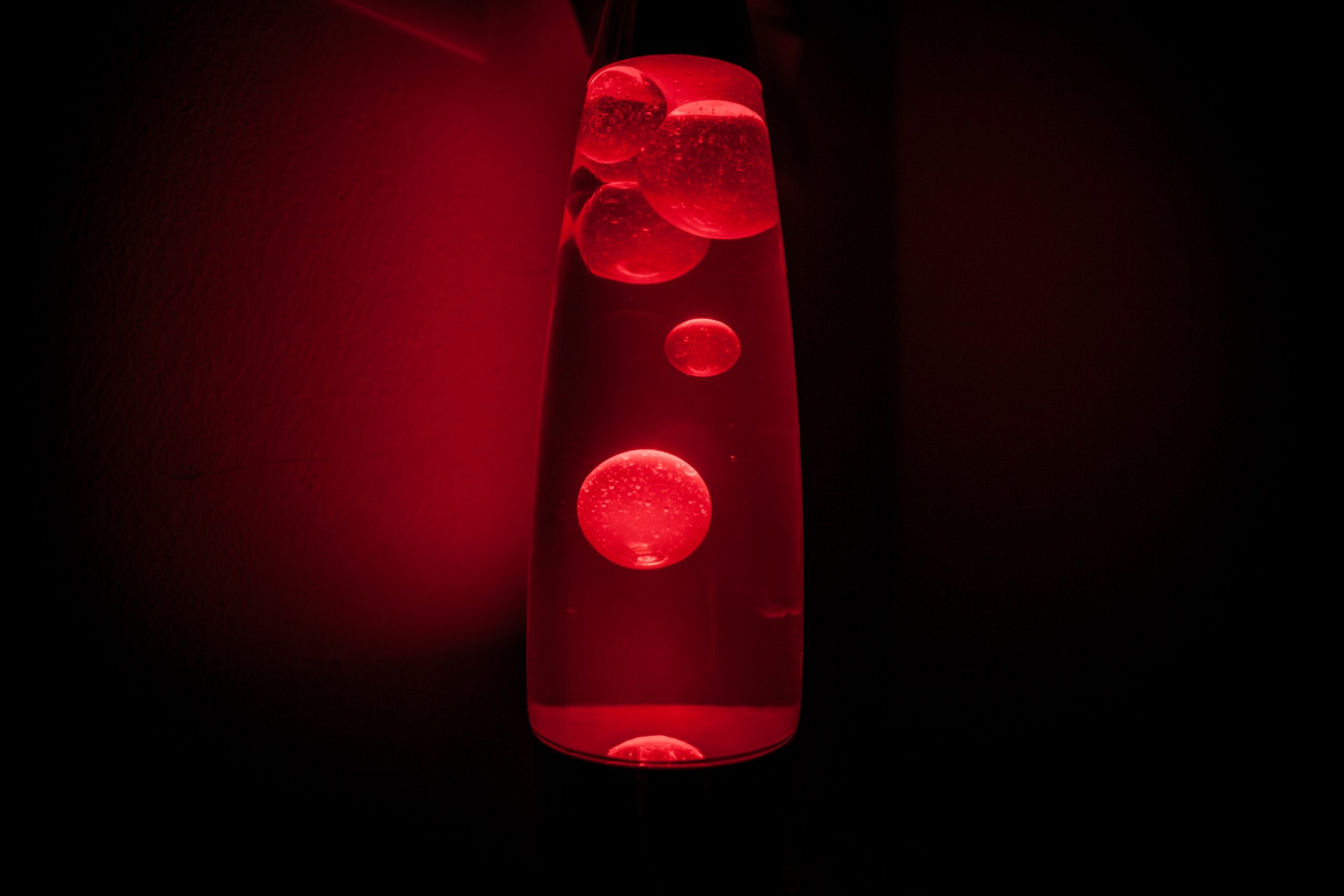
Making a lava lamp for decorating home

The secret of how lava lamps function lays on the density and polarity of the substances, particularly the effect of the lava in the lamp is caused because inside there is wax, which changes shape and is agitated with the heat emitted by the lamp bulb. This effect is due to the fact that the wax has a higher density than the water; however, the wax loses the density with the heat becoming lighter. The agitation of the wax in the container is what generates the lava effect.

With this activity learners will not only learn about making a lava lamp, but they will also understand the scientific logic behind the functioning of the lava lamp.

This activity can be developed individually by learners or as a group activity, and its objective is to demonstrate the learners the scientific explanation behind lava lamps and how to make one.

Asociación Moviéndote

AUTHOR

  • January 5, 2021

PUBLISH DATE

View Resource

Taaskasutatud materjalidest omatehtud kasvuhoone loomine

Kasvuhoone on hoone, mis loob taimede kasvuks ideaalse mikrokliima. Seda saab kasutada nii taimede kasvatamiseks või nende eest hoolitsemiseks kogu nende elu vältel. Kasvuhoone kaitseb vilja liiga suure kuumuse või külma eest ning varjab oma elanikke tormi ja karmide ilmastikutingimuste eest. Teisisõnu aitab see kontrollida temperatuuri, niiskust ja valguse küllust. Kolm asja, mis on taimede arenguks väga olulised. See hoiab eemale ka kahjurid.

Kahtlemata on kodused kasvuhooned parim viis tagamaks puuviljade või juurviljade kvaliteet. Lisaks, kui toota kasvuhoone taaskasutatud materjalidest, vähendab see mõju keskkonnale.

Selle tegevusega õpilased ei saa mitte ainult teadmisi, kuidas ehitada väikest kodust kasvuhooned ja kuidas pakkuda taimedele ideaalset atmosfääri kasvamiseks, kuid nad saavad samuti teadmisi kui oluline on taaskasutada esemeid või vähendada plastiku kasutamist ning vastutustundlikust tarbimisest. Seda tegevust saab arendada üksi või grupitööna ning eesmärgiks on õpetada õpilastele, kuidas luua väike kodune kasvuhoone ning tõsta tarbimise teadlikkust ning keskkonnamõju vähendamine.

Maria Lutsar

AUTHOR

  • January 4, 2021

PUBLISH DATE

View Resource

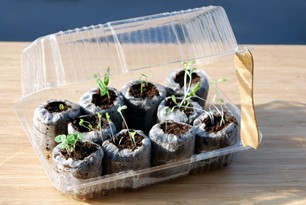
Crear un invernadero casero con materiales reciclados

Un invernadero es una estructura que produce un microclima ideal para el crecimiento de las plantas. Se puede utilizar para cultivarlas o para cuidarlas a lo largo de su ciclo de vida. Los invernaderos protegen a los cultivos del exceso de calor o de frío, de las tormentas y el mal tiempo. En otras palabras, ayuda a controlar la temperatura, la humedad y la luminosidad, tres factores muy importantes en el desarrollo de las plantas. También ayudan a mantenerlas fuera del alcance de plagas dañinas y perjudiciales.

No cabe duda de que los invernaderos domésticos son la mejor manera de garantizar la calidad de las frutas y hortalizas. Además, al crear un invernadero a partir de materiales reciclados o reutilizados, se reduce el impacto ambiental.

Con esta actividad los alumnos no solo aprenderán a hacer un pequeño invernadero casero y a proporcionar a las plantas la atmósfera perfecta para su crecimiento, sino que también se darán cuenta de lo importante que es reutilizar objetos, reducir el consumo de plástico y tener un consumo responsable. Esta actividad puede ser desarrollada individualmente o como actividad grupal, con el objetivo de enseñar a los estudiantes a crear un pequeño invernadero en el hogar y crear conciencia sobre el autoconsumo y la reducción del impacto ambiental.

Asociación Moviéndote

AUTHOR

  • January 4, 2021

PUBLISH DATE

View Resource

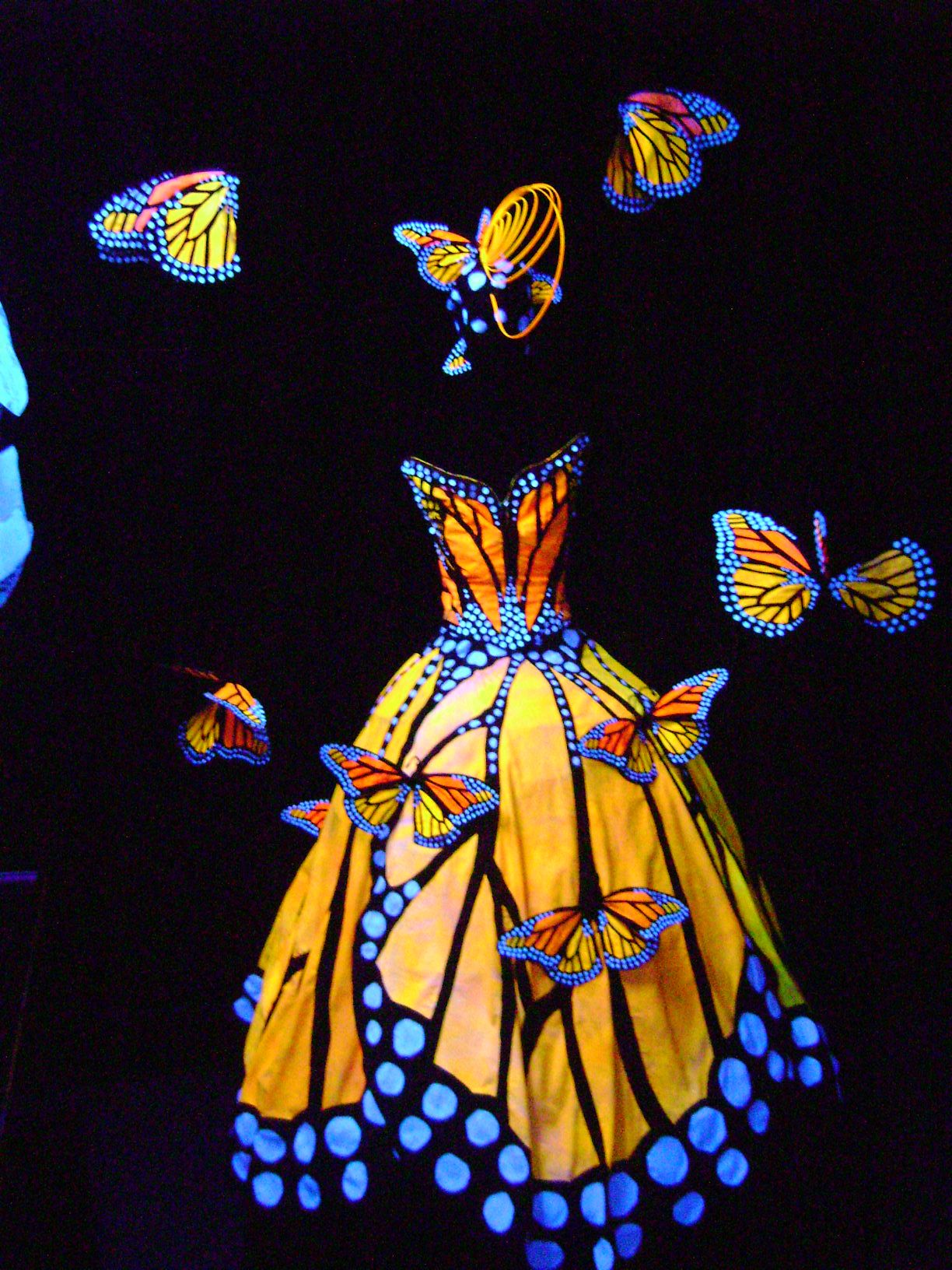
Sustainable Art Fashion

In this challenge, students will design at least three items of wearable art using recyclable materials. Students will have to decide which material(s) to use to produce their wearable design to estimate the cost of production. Students will then provide an estimated retail price. Bonus points will be awarded to students who design the most cost-efficient item.

This activity should be developed in groups of 3 learners. Teachers should help maintain the motivation of the learners particularly when they are struggling with their art concept.

Carlos Vaz de Carvalho

AUTHOR

  • December 30, 2020

PUBLISH DATE

View Resource

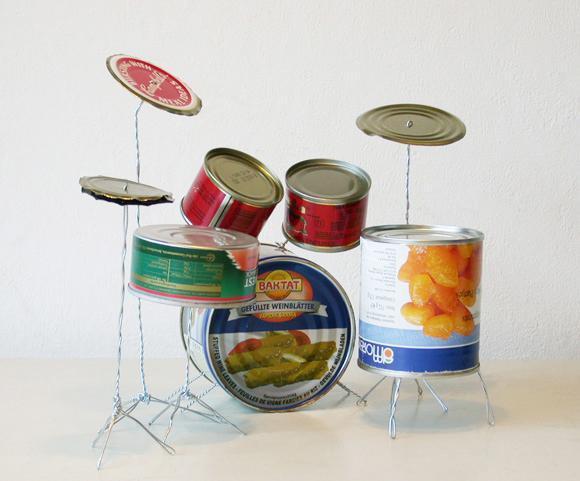
Recyclable Music

In this challenge, students will design and construct at least one instrument that will be used to play a recognizable song. Students can use recyclable materials or the 3D printer to build their instruments. The instrument must be able to play a variety of notes with definite tones and frequencies. Bonus points will be awarded to students who form a band and play a song together and/or compose their own piece of music.

This activity should be developed in groups of 3 learners. Teachers should help maintain the motivation of the learners particularly when they are struggling with their instrument concept.

Carlos Vaz de Carvalho

AUTHOR

  • December 30, 2020

PUBLISH DATE

View Resource
« Prev Page1 … Page67 Page68 Page69 Page70 Page71 … Page77 Next »

The European Commission support for the production of this publication does not constitute an endorsement of the contents which reflects the views only of the authors, and the Commission cannot be held responsi­ble for any use which may be made of the information contained therein.

Copyright © 2022 SAPPHIRE • All rights reserved

SAPPHIRE Website
en_GBEnglish (UK)
bg_BGБългарски pt_PTPortuguês it_ITItaliano lt_LTLietuvių kalba mk_MKМакедонски јазик elΕλληνικά en_GBEnglish (UK)