Pereiti prie turinio
  • Namai
  • Ištekliai
    • Išteklių sąrašas
  • STEM kursai
    • STEM pedagogai
    • за STEM образователни работници
    • STEM profesoriai
    • Mokytoja STEM
    • εκπαιδευτές STEM
    • За STEM едукатори
    • Visi kursai
  • STEM bendruomenės centrai
    • STEM Kipre
    • STEM Lietuvoje
    • STEM Graikijoje
    • STEM Italijoje
    • STEM Portugalijoje
    • STEM Šiaurės Makedonijoje
    • STEM Bulgarijoje
  • Prisijungti
  • Registruotis
  • Kontaktai
  • lt_LTLietuvių kalba
    • elΕλληνικά
    • mk_MKМакедонски јазик
    • it_ITItaliano
    • pt_PTPortuguês
    • bg_BGБългарски
    • en_GBEnglish (UK)
Meniu
  • Namai
  • Ištekliai
    • Išteklių sąrašas
  • STEM kursai
    • STEM pedagogai
    • за STEM образователни работници
    • STEM profesoriai
    • Mokytoja STEM
    • εκπαιδευτές STEM
    • За STEM едукатори
    • Visi kursai
  • STEM bendruomenės centrai
    • STEM Kipre
    • STEM Lietuvoje
    • STEM Graikijoje
    • STEM Italijoje
    • STEM Portugalijoje
    • STEM Šiaurės Makedonijoje
    • STEM Bulgarijoje
  • Prisijungti
  • Registruotis
  • Kontaktai
  • lt_LTLietuvių kalba
    • elΕλληνικά
    • mk_MKМакедонски јазик
    • it_ITItaliano
    • pt_PTPortuguês
    • bg_BGБългарски
    • en_GBEnglish (UK)

Desafios

PESKVIZARAS

Peskvizaras

AUTOR

TÓPICOS

PALAVRAS-CHAVE

LÍNGUA

DURAÇÃO

DIFICULDADE

The Prevent Plastic Poster

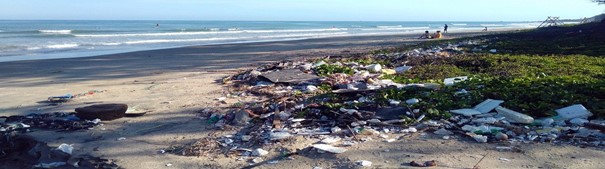
Where does the plastic come from in the sea? A large part of the plastic that ends up in the sea is disposable packaging and plastic bags. In the sea, the plastic debris is slowly decomposed into smaller parts and eventually becomes so-called micro plastics, which are not broken down in several hundred years and which are almost impossible to capture. Lost fishing gear, synthetic fabrics, such as fleece blankets and polyester and acrylic clothing, release micro plastics when washed. Although the wastewater treatment plants handle most micro plastics, millions of micro plastics particles still end up in the sea. In addition, some hygiene products contain added micro plastics. Among other things, there may be plastic in exfoliating, toothpaste and makeup.Learners shall be aware of the importance of environment protection and instead of being powerless being able to find good ways to contribute in reducing plastic. What can I do?


This activity is a group work to collect knowledge about plastic in the sea and what an individual can do to prevent it. The advices should then be illustrated on a “poster or a any other communication model” with images or materials and with text that can be distributed within the local community ex the library or any other suitable centre. In this activity, there is no ready-made solution – only the imagination sets the boundaries.

This activity is divided in 2 days. Day 1. Plan and design

Day 2, The actual production. It would be good if it could be located in an art studio or similar, where there is access to glue, paints, cardboard, computer and printers etc.

WiTECSweden

AUTORIUS

  • sausio 28, 2021

PASKELBIMO DATA

Peržiūrėti šaltinį

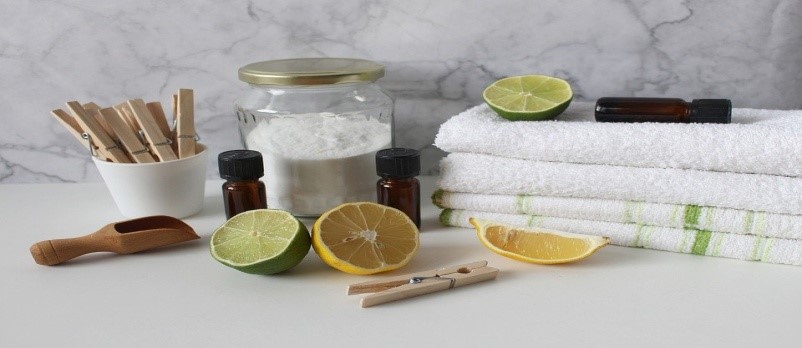
Menas išvalyti namus be toksinų

Kas yra ploviklis? Visuose plovikliuose, be vandens, yra įvairių cheminių medžiagų mišinio. Tai gali būti paviršinio aktyvumo medžiagos, ėsdinančios rūgštys / šarmai, tirpikliai, konservantai, abrazyvai, dažai ir kvepalai. Skalbimo priemonių likučiai yra pavojingos atliekos. Rūgštys yra ėsdinančios (žemas pH). Fosforo rūgštys ir azoto rūgštis yra rūgščių, kurios gali būti įtrauktos į ploviklius ir kurių galima rasti tualeto valikliuose bei kalkių valikliuose, pavyzdžiai. Rūgštys dirgina odą ir akis bei gali nudeginti. Šarmai taip pat yra ėsdinantys (aukštas pH). Kalio ir natrio hidroksidas yra šarmų, kurių gali būti plovikliuose ir kurių yra orkaitės valikliuose bei kamšteliais, pavyzdžiai. Kitas pavyzdys – natrio hipochloritas, kurio yra chlore. Šarmai, kaip ir rūgštys, yra ėsdinantys, todėl dirgina odą ir akis, taip pat gali nudeginti.

Miva (Aplinka ir vanduo Örnsköldsvik AB) SE.

Švedijoje, kurioje gyvena apie 10 mln. gyventojų, 2016 m. pirkome ploviklių už 4,5 mln. EUR. Tai labai apkrauna aplinką. Dabar be ES ženklinimo turime ir vietinius ekologinius ženklus, kurie palengvina mūsų pasirinkimą.


Ši veikla skirta didinti vartotojų informuotumą apie chemines medžiagas, su kuriomis susiduriame namuose naudodami ploviklius, ir apie tai, kaip pasigaminti patiems iš sandėliuko. Mokytojo užduotis – išmokyti apie ekologinį ženklinimą produktams, kurie yra prieinami šalyje, kurioje esate, ir kokius forumus galima įtakoti aplinkai draugiškesniems produktams, paaiškinti cheminių ploviklių sudedamąsias dalis ir jų poveikį gamtai.

Šią veiklą individualiai gali plėtoti besimokantieji, kurie turi būti orientuoti į teigiamą netoksiškų ploviklių naudojimą savo namuose. Žinoma, šią veiklą galima išbandyti ir namuose.

WiTECSweden

AUTORIUS

  • sausio 28, 2021

PASKELBIMO DATA

Peržiūrėti šaltinį

PLANetary Health Diet Day

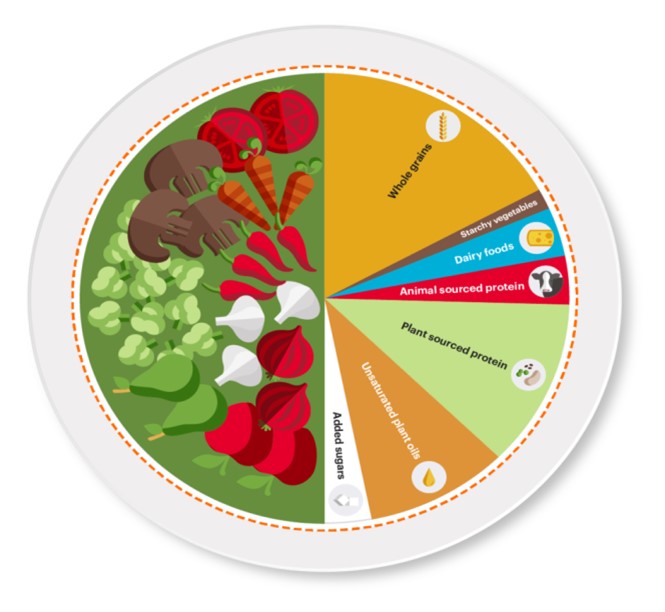
The Planetary Health Diet and You: The EAT-Lancet Commission presents a global planetary health diet that is healthy for both people and planet. Discover the report’s key takeaways and specific actions that we all can take to contribute to the Great Food Transformation.

Source: https://eatforum.org/eat-lancet-commission/the-planetary-health-diet-and-you/

Leaner’s start off by discussing and criticizing EAT Lancet´s new model of 2020 and guidelines and of changing our habits for the Planet.

They will calculate their own nutrient needs, make a plan for a Healthy Planetary Diet Day and decide if they want to try it out.

This activity can be developed individually by learners or as a pair activity (2 learners) that shall be focused on the positive of a healthy diet for people and planet.

WiTECSweden

AUTORIUS

  • sausio 28, 2021

PASKELBIMO DATA

Peržiūrėti šaltinį

Techniques for a sustainable lifestyle. Calculate your CO2 footprint

Researchers recommend that an individual’s annual emissions of carbon dioxide equivalents must be 1 tonnes by 2050 if the goal of limiting the global average temperature increase to less than 2 degrees is to be achieved. Carbon dioxide equivalents are a measure of greenhouse gas emissions that take into account that different such gases have different abilities to contribute to global warming. In 2017, the figure was 6.7 tonnes per person within the EU, 13.5 tonnes for Canada, 16.3 tonnes for Australia and 16, 4 tons for USA.

We all have to contribute. Greta Thunberg speaks to us:

https://www.conservation.org/video/nature-now-video-with-greta-thunberg

This exercise can start as a group exercise and a kind of brainstorming and can then be performed individually. It is a conscious exercise about the things we invite in our homes and about the conscious choices we can make to have a sustainable lifestyle. The exercise should be seen as a kind of brain storming and ideas can be gathered. Several ideas will be presented in the exercise and for participants to practice in their own life for a month. Are they relevant for them or not?

WiTECSweden

AUTORIUS

  • sausio 28, 2021

PASKELBIMO DATA

Peržiūrėti šaltinį

Create techniques to: DO NOT WASTE

David Attenborough was interviewed together with climate activist Greta Thunberg after they released their films: “A life on our planet” (Netflix) and “Greta”. Finally they were asked what WE can do, but only to choose ONE thing: David answered:  “Do not waste” and Greta: “Learn more read about the problems and you will understand what to do, but put pressure on the politicians.” https://www.youtube.com/watch?v=fRFY4ss2W2A 

This exercise gives learners the opportunity to reflect on their own waste. How do I act and what can I change? It is an increase in awareness of what we can do ourselves and can also serve to further knowledge in the subject Waste. Habits are often difficult to change, but it is through our conscious choices we create a sustainable world:

EU: Goal 12. Responsible Consumption and Production

The 12th Sustainable Development Goal (SDG12) aims at ensuring responsible consumption and production patterns everywhere in the world, notably by:

Halving global food waste per capita and ensuring the efficient and sustainable use of natural resources by 2030

Fighting pollution, reducing the overall waste generation, and improving the management of chemicals and toxic wastes

Supporting companies’ transition to green infrastructures and practices

Making sure everyone everywhere is fully informed of ways to live in harmony with nature and eventually adopts thoughtful habits

Source: https://ec.europa.eu/international-partnerships/sdg/responsible-consumption-and-production_en

WiTECSweden

AUTORIUS

  • sausio 28, 2021

PASKELBIMO DATA

Peržiūrėti šaltinį

CrEATe raw delicious Art directly from the Natural world

Ar girdėjote žodį Fika? Švedijoje esame žinomi kaip „FIKA“. Tai yra tada, kai ryte ir po pietų atsitraukiame nuo darbo arba su draugais nueiname į kavinę ir suvalgome kokį nors skanėstą. Tai lengva būti užkandis, užpildytas vadinamuoju tuščios kalorijos kaip pyraguose ir pyragaičiuose. Todėl šioje „FIKA“ veikloje daugiausia dėmesio skirsime maistinių medžiagų tankis ir pasimokyti priedų maiste. Ruošiame tik greitaeigiu blenderiu arba virtuviniu kombainu ir šaldytuvu/šaldikliu.

Geriausias užkandis, žinoma, yra vaisiai.

Šią veiklą mokiniai gali plėtoti individualiai arba poromis (2 mokiniai), kuri turi būti orientuota į sveikos mitybos žmonėms ir planetai pozityvumą.

Atkreipkite dėmesį, kad anakardžiai pyragui Berry turi mirkti per naktį,

Pastaba. Kad pyragaičiai prieš valgant turi sutvirtėti šaldytuve.


WiTECSweden

AUTORIUS

  • sausio 28, 2021

PASKELBIMO DATA

Peržiūrėti šaltinį
« Ankstesnis Puslapis1 … Puslapis36 Puslapis37 Puslapis38 Puslapis39 Puslapis40 … Puslapis77 Kitas "

Europos Komisijos parama šio leidinio kūrimui nereiškia pritarimo turiniui, kuris atspindi tik autorių požiūrį, ir Komisija negali būti laikoma atsakinga už bet kokį jame esančios informacijos naudojimą.

Autorių teisės © 2022 m SAFYRAS • Visos teisės saugomos

SAPPHIRE svetainė
lt_LTLietuvių kalba
en_GBEnglish (UK) bg_BGБългарски pt_PTPortuguês it_ITItaliano mk_MKМакедонски јазик elΕλληνικά lt_LTLietuvių kalba